Gobo / Venetian Blind Shadows
Watch as an animation →
In plain words
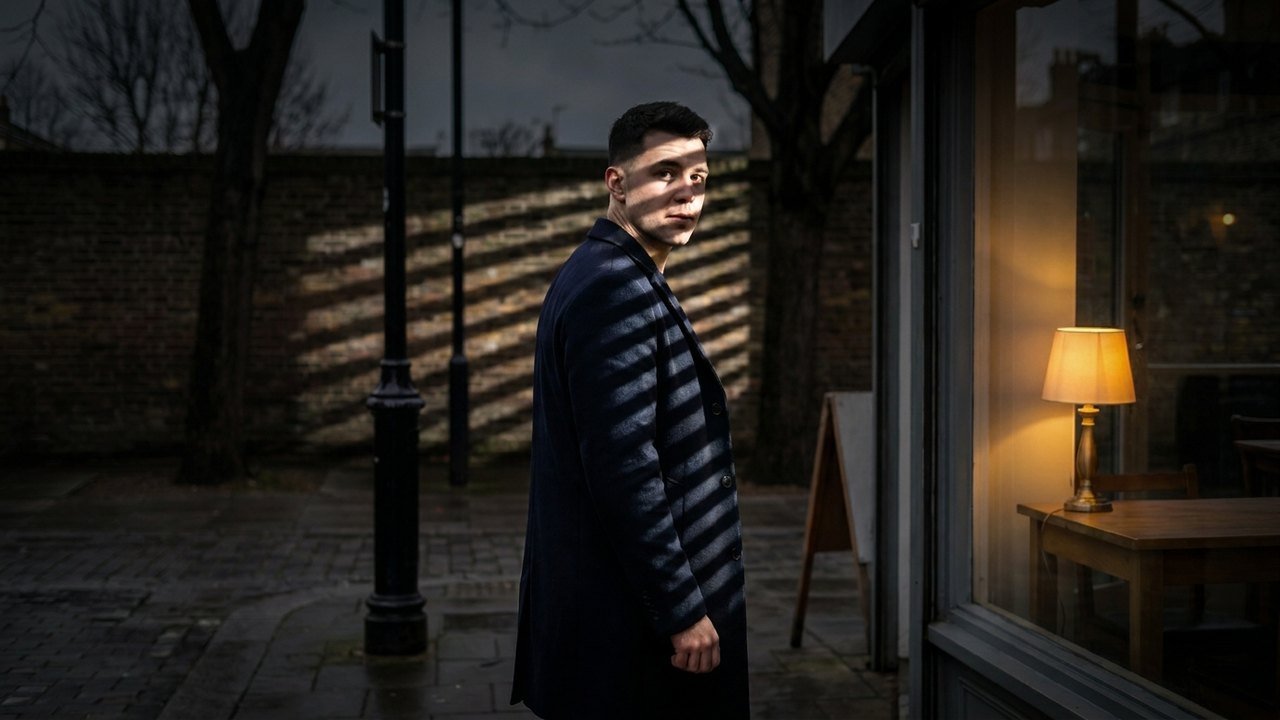
Putting blinds, bars or leaves (a gobo or cookie) in front of the light casts striped or patterned shadows on walls and faces. It gives a noir mood and the sense of a window just off screen.
When to use it
Offices, interrogation rooms, night interiors, noir and mystery tones, moody shots with swaying leaf shadows.
Example videos
Will AI handle it well?
Public AI example available — The 'Gobo Projection (Window Blinds & Patterns)' section of the 20 AI lighting prompts video
One-click prompt
Film noir mood, hard light through venetian blinds, sharp striped shadows cross a detective's face and the office wall as he sits at a desk, dust drifting in the narrow beams, slow push-in, 50mm lens, black and white, high contrast, brooding mood, 5-second shot.
Tell the AI like this
hard light through venetian blinds, striped shadows across her face and the wall, film noir mood
Example films
Double Indemnity (1944) — Cinematographer John F. Seitz used blind shadows to make the characters look trapped behind bars. Blind shadows are the signature image of film noir (Wikipedia — Film noir).
See it in real films and ads
AI-made examples
AI Filmmaking: The Ultimate Guide to Cinematic Lighting (20 Prompts)