Wet Plate / Tintype
Watch as an animation →
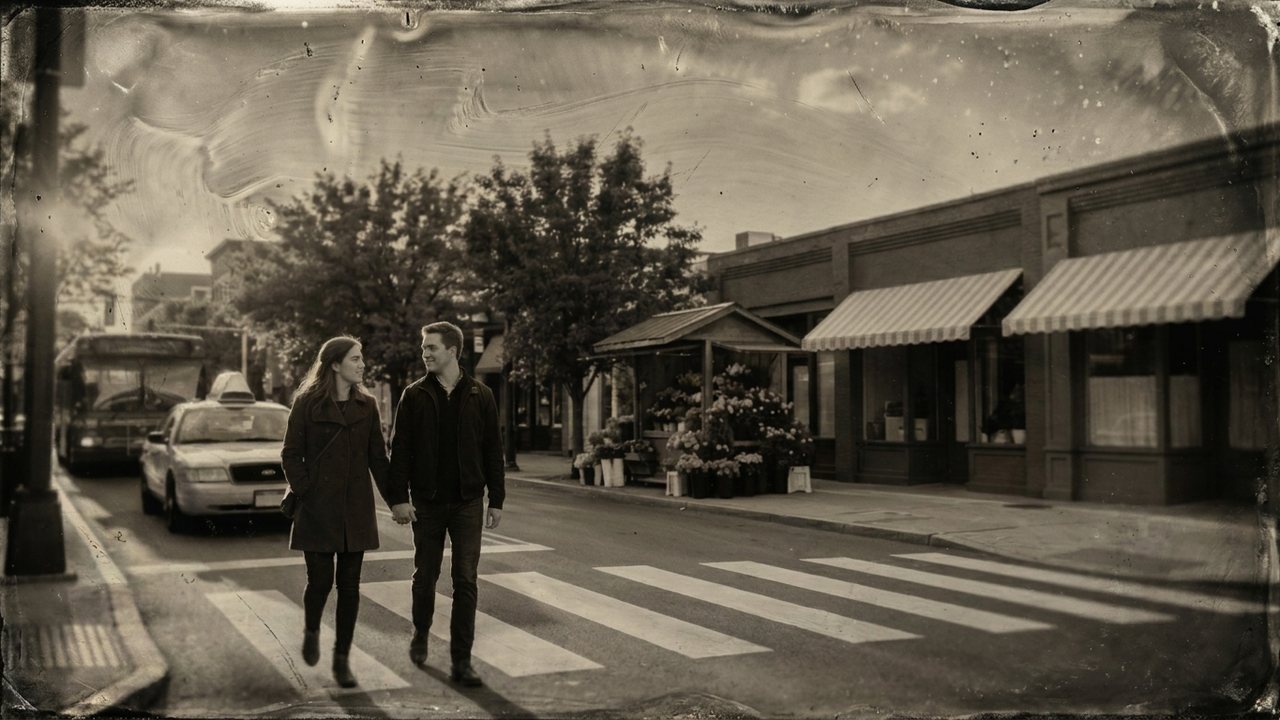
In plain words
A silver-gray tone, with stains and flow marks and sharpness only in the center, gives an old, mysterious feel like a 19th-century portrait.
When to use it
Portraits set in the 19th century, Westerns and historical pieces, eerie mystery shots.
Example videos
Will AI handle it well?
Not verified — We could not find the terms 'tintype' or 'wet plate' in official materials.
One-click prompt
Wet plate collodion tintype portrait, 1870s, silver-gray tones, dark uneven edges, chemical streaks, sharp center with swirling blur, a stern blacksmith in a leather apron stands perfectly still, locked-off camera, eerie historic mood, 5-second shot.
Tell the AI like this
wet plate collodion tintype portrait, 1870s, silver-gray tones, dark uneven edges, chemical streaks, sharp center with swirling blur
Example films
Deep South (2005) — A photo book in which Sally Mann shot the American South on regular 8×10 film and wet-plate collodion (photo) · Billy the Kid portrait (c. 1879–1880) — The only photograph of Billy the Kid accepted as authentic is a ferrotype (tintype) (photo)
See it in real films and ads
AI-made examples
Not verified